How to Tailor Your Resume for Any Job
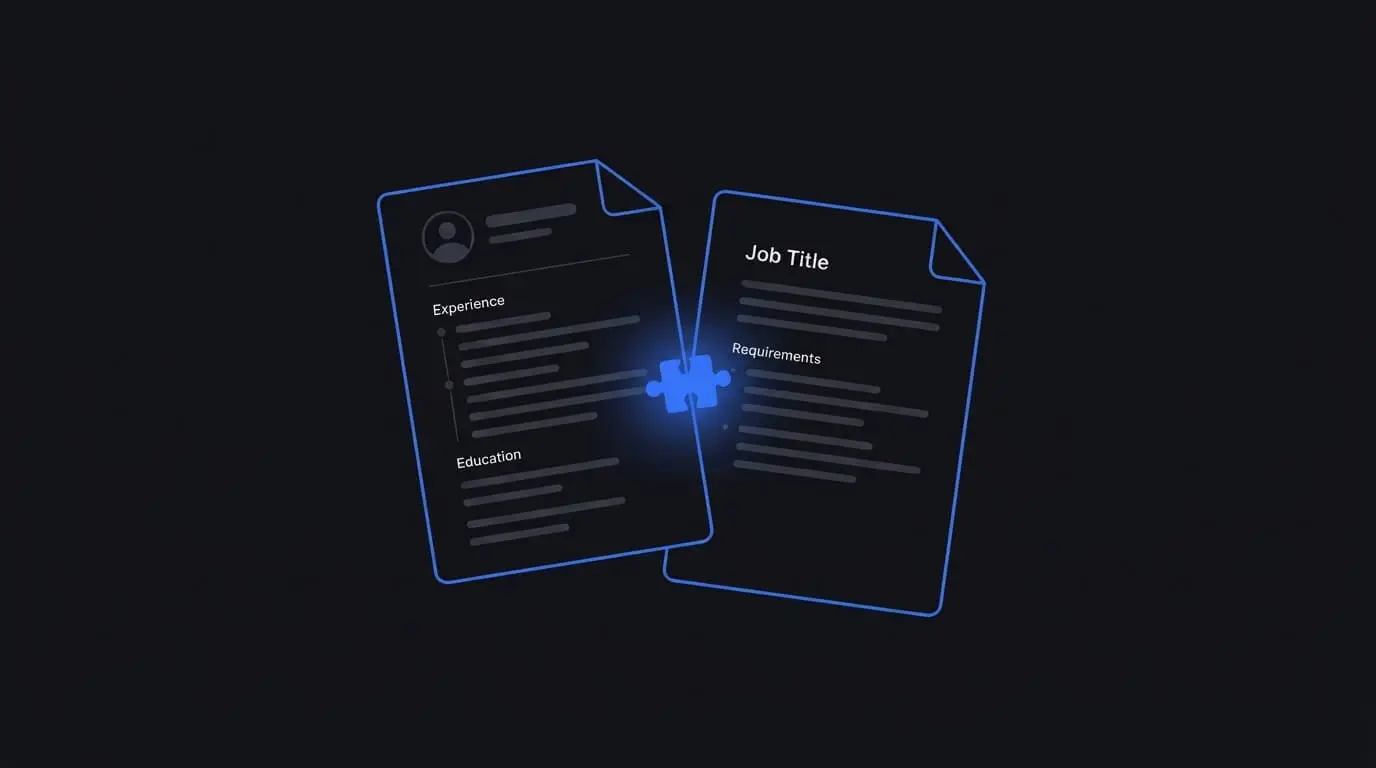
Tailoring a resume means adjusting four things for each posting: your summary, which bullet points lead under each role, the wording of those bullets, and the order of your skills. Your job titles, dates and employers never change. On a resume you have already written well, it takes ten to fifteen minutes.
Sending the same resume to every job posting is the single most common reason qualified candidates don't hear back. A study by ResumeGo, a resume-writing firm that ran a controlled comparison of tailored versus generic applications, found candidates who customized their resume to the job description were meaningfully more likely to land an interview than those who sent a generic version. Estimates across different studies vary, since methodology differs and no single number applies universally, but the direction is consistent everywhere it's been measured: tailoring works, and most people skip it anyway, often because it's genuinely time-consuming to do for every application.
This guide walks through exactly what to change, how much is enough, and how to do it without rewriting your entire resume from scratch each time.
Why Tailoring Works
A job posting is, in effect, a list of what a company is going to search for and screen against. The skills it names, the tools it mentions, the responsibilities it describes, all of that becomes the criteria a recruiter uses when reading quickly or searching an applicant tracking system by keyword.
Your generic resume might contain all the right experience, described in your own words. But if your wording doesn't overlap with the posting's wording, you can be a strong match and still get passed over, simply because the connection wasn't made obvious. Tailoring closes that gap. It's not about changing what you did; it's about describing it using the language the employer is actually looking for, where that language honestly applies.
What to Actually Change (And What to Leave Alone)
You don't need a different resume for every job. You need to adjust a few specific parts:
Your summary or headline, if you use one. This is the fastest thing to update and the first thing read. Shift it to speak directly to the role: a marketing generalist applying to a growth-focused role might lead with campaign performance rather than brand work, if that's what the posting emphasizes.
Which bullet points you lead with under each role. You likely have more accomplishments than fit comfortably on the page. Reorder them so the ones most relevant to this specific posting appear first under each job, rather than listing everything in a fixed order regardless of what's being asked for.
The specific wording of your bullets. If a posting says "cross-functional collaboration" and your bullet currently says "worked with other teams," align the phrasing, but only when it's actually describing the same thing. Never adopt a term for experience you don't have.
Your skills section. Reorder or lightly adjust this list to surface what the posting specifically asks for first, rather than a static list used everywhere.
What to leave alone: your actual job titles, dates, employers, and the core facts of what you accomplished. Tailoring adjusts framing and emphasis, not the underlying facts.
A Practical Example
Here's a bullet point tailored two different ways for two different postings, based on the same real accomplishment:
Original: "Managed the company's social media accounts and grew engagement."
Tailored for a growth marketing role: "Grew Instagram engagement rate by 3x over six months through a consistent short-form video strategy, directly supporting a 20% increase in site traffic from social."
Tailored for a brand marketing role: "Built and maintained a consistent brand voice across three social platforms, growing followers from 4,000 to 22,000 while keeping messaging aligned with the broader brand strategy."
Same underlying experience, same facts, but each version leads with the angle that specific posting cares about most.
How Much Overlap Is Enough
There's no exact percentage that guarantees results, and treating this as a precise science tends to backfire. What matters more than hitting a specific keyword count is that a recruiter reading both the posting and your resume back to back would clearly see the connection. As a practical target, most of your summary, your top two or three bullets under your most recent role, and your skills section should reflect language from the posting, where it genuinely applies to your background.
Going further than that, forcing in terms from the posting that don't reflect anything you've actually done, doesn't help. It reads as inauthentic to a human reviewer, and it doesn't create a genuine qualification match even if it happens to pass an initial keyword scan.
A Simple Step-by-Step Process
- Read the posting once for the role, once for the language. First pass, understand what the job actually involves. Second pass, note the specific terms used for skills, tools, and responsibilities.
- Highlight three to five requirements you genuinely meet. Not everything in the posting, just the strongest, most honest overlaps with your background.
- Update your summary to reflect the role and the top one or two things you bring to it.
- Reorder bullets under your most recent one or two roles so the most relevant accomplishments lead.
- Adjust wording on those bullets to match the posting's terms, only where accurate.
- Update your skills section to prioritize what the posting is asking for.
- Read it once more as if you were the recruiter, checking that the connection between your background and this specific role is obvious within the first few seconds.
Done this way, tailoring a resume you've already written well takes ten to fifteen minutes, not hours.
Should You Keep Multiple Versions?
Most job seekers benefit from keeping two or three base versions rather than one, if they're applying across genuinely different types of roles. Someone applying to both product management and project management roles, for example, is better served by two distinct base resumes emphasizing different strengths, each then lightly tailored per posting, rather than trying to stretch one resume to cover both directions with light edits alone.
If you're applying to similar roles across similar companies, one strong base resume with per-posting tailoring is usually enough.
Using AI to Speed This Up
The tailoring process described above is straightforward but repetitive, and repetitive is exactly where people skip steps when they're applying to many jobs in a short window. Get AI Resume automates the identification part of this process: paste in a job description, and it surfaces the skills and requirements from the posting that match your existing background, then helps bring that relevant experience forward in your resume. It works only with what you've actually entered about yourself, so the output reflects your real experience described in a way that speaks more directly to the specific role.
Frequently Asked Questions
Do I need to tailor my resume for every single job I apply to? For roles you're genuinely interested in, yes, it's worth the ten to fifteen minutes. For high-volume, lower-priority applications, having two or three strong base versions for different role types and using the closest match is a reasonable middle ground.
Can tailoring my resume too much backfire? Yes, if it means adopting language for skills or experience you don't actually have. Tailoring should adjust framing and emphasis around real accomplishments, not invent qualifications you don't hold.
How is tailoring different from just adding keywords? Keyword stuffing adds terms without context, often in an unnatural list, purely to trigger a match. Tailoring integrates the posting's language naturally into bullet points and summaries that already reflect real experience.
Does an ATS penalize a tailored resume compared to a generic one? No. Tailoring is generally rewarded rather than penalized, since it improves keyword relevance for the specific search a recruiter is likely to run. What can cause problems is unnatural keyword stuffing, not genuine tailoring.
Should my job title match the posting's title exactly? Only if it accurately reflects your actual title. If your title was different but the role was substantively similar, it's fine to briefly clarify that alignment in a bullet point, but changing your stated title to match the posting isn't accurate and isn't advisable.